
Choosing a Mobility Scooter: 3 vs 4 Wheels
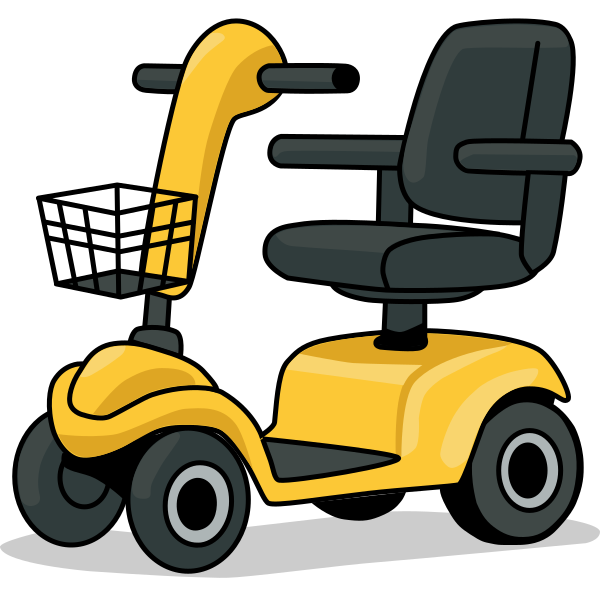

What’s the Difference Between 3-Wheel and 4-Wheel Mobility Scooters?
Choosing a mobility scooter—especially a compact 'boot scooter'—is about more than just how it looks. The number of wheels directly affects how it performs: how stable it is, how easily it turns, and how comfortable it feels.
Wheels are one of several independent decisions a scooter purchase comes down to, alongside legal class, portability and capacity — see our mobility scooter types guide for the full picture if you're starting from scratch.
What Is a 'Boot Scooter' and Why Does It Matter?
In the UK, most small portable scooters are Class 2 mobility vehicles. They:
- Travel up to 4 mph
- Are legal on pavements (not roads)
- Can fold or come apart to fit in a car boot
These scooters are made for everyday errands—not for long-distance travel or heavy terrain. Because they’re light and compact, stability becomes especially important when going over kerbs or uneven surfaces.
How Are 3-Wheel and 4-Wheel Scooters Built Differently?
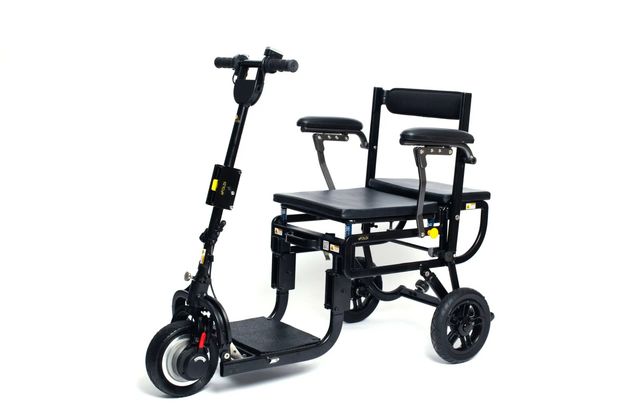
- 3-wheel scooters have one wheel at the front and two at the back. This gives them a tight turning circle and lighter design.
- 4-wheel scooters have two front and two rear wheels, creating a more balanced and stable base.
Each design has pros and cons depending on where and how you plan to use the scooter.
Is It Better to Choose Manoeuvrability or Stability?
Here’s how the two types generally compare:
| Feature | 3-Wheel Scooter | 4-Wheel Scooter |
|---|---|---|
| Manoeuvrability | Excellent (tight turning) | Moderate to Poor |
| Stability | Lower on uneven surfaces | Very high |
| Weight | Usually lighter | Often heavier |
| Comfort for Tall Users | More legroom | Less legroom |
| Price | Often cheaper | Often more expensive |
Do 3-Wheel Scooters Really Turn More Easily?
Why Do 3-Wheel Scooters Turn Better Indoors?
A 3-wheel scooter’s single front wheel lets it pivot much more sharply—especially in tight spaces like:
- Supermarkets
- Lifts
- Narrow hallways
The difference in turning radius can be up to 10 inches less than a 4-wheel model. That can make day-to-day use much easier indoors.
Are There 4-Wheel Scooters That Turn Just as Well?
Yes! Some modern 4-wheel models use EZ Turn or Zero Turn technology, giving them a tight turning radius close to that of a 3-wheeler.
| Scooter Model | Turning Radius | Turning Technology |
|---|---|---|
| Pride Zero Turn 8 | 37.25 inches | EZ Turn |
| WHILL Model R | 38.2 inches | Tight Turning Design |
| Pride Zero Turn 10 | 43 inches | EZ Turn |
| Go-Go Elite Traveller | 37 inches | EZ Turn |
These offer the stability of four wheels with nearly the same turning ability as three.
Which Type Is More Stable on Pavements and Kerbs?
Why Are 4-Wheel Scooters Safer Outdoors?
4-wheel scooters are designed to stay upright and steady, even on:
- Uneven pavements
- Grass and gravel
- Kerbs and small slopes
The four wheels spread your weight evenly, making them feel sturdier and reducing the risk of tipping.
Are 3-Wheel Scooters Less Safe Outside?
Yes, they can be. 3-wheel scooters are more likely to feel wobbly or even tip if you:
- Go over a kerb too quickly
- Ride on rough or sloped paths
- Turn sharply at speed
They’re fine for smooth, level surfaces—but extra care is needed outdoors.
Who Should Choose a 4-Wheel Scooter?
You’ll benefit from a 4-wheeler if you:
- Worry about balance or safety
- Are a heavier user (over 18 stone / 114 kg)
- Often travel on pavements or paths with bumps, dips or slopes
Many 4-wheel models also include built-in suspension, offering a smoother, more comfortable ride.
What Does the Difference Look Like on a Real Scooter?
The cleanest way to see this trade-off is a scooter sold in both layouts. The TGA Breeze is exactly that: the 3-wheel S3 and the 4-wheel S4 cost the same £5,195 and share the same motor, range and weight capacity, so wheels are the only variable between them. Our TGA Breeze S3 vs S4 vs X comparison is this article's question settled on one real machine — and adds the all-terrain X for rougher ground.
What About 5-Wheel Scooters?
One UK brand sidesteps the choice entirely. Quingo scooters use a patented five-wheel layout with two paired front wheels that steer together, aiming to combine a 3-wheeler's turning circle with a 4-wheeler's anti-tip stability. It works, but the scooters are bulkier and cost two to three times as much as a mainstream equivalent — see our Quingo mobility scooters guide for whether that premium is worth paying.
Which Scooter Type Is More Comfortable to Sit On?
Does a 3-Wheel Scooter Give You More Legroom?
Yes—without the extra wheel assembly at the front, 3-wheel scooters offer more foot space, which helps:
- Tall users stretch out their legs
- Users with joint stiffness feel more relaxed
Are 4-Wheel Scooters More Supportive Overall?
Usually, yes. While they have less foot space, most 4-wheel scooters come with:
- Wider, more padded seats
- Better suspension for longer rides
- Higher weight limits
These features make them more comfortable for longer outdoor journeys.
Which Scooter Is Easier to Lift and Transport?
Is It Easier to Disassemble or Fold a Scooter?
There are two main ways to transport a boot scooter:
| Transport Style | Advantages | Disadvantages |
|---|---|---|
| Disassembly | Breaks into lighter pieces | Takes more time |
| Folding | Folds in seconds | Entire scooter may be heavy |
If you need to lift the scooter into a car boot often, check the weight of the heaviest part, not just the total scooter weight.
Are 3-Wheel Scooters Lighter?
Traditionally, yes. A 3-wheel scooter often has:
- Fewer parts
- A smaller frame
- Less material
But new materials like magnesium and aluminium have allowed some 4-wheel scooters to become just as light and portable.
| Scooter Type | Typical Heaviest Piece | Notes |
|---|---|---|
| 3-Wheel Disassembly | 12–17 kg | Lightest to lift |
| 4-Wheel Disassembly | 16–20 kg | Newer models are lighter |
| Folding Scooter | 16–22 kg (all-in-one) | Quick but may be heavy |
How Do You Know Which Scooter Is Right for You?
What’s the Best Option for Your Daily Routine?
| User Type | Best Option | Why |
|---|---|---|
| Urban Shopper | 3-Wheel or EZ Turn 4-Wheel | Tight turning for indoor spaces |
| Rural Explorer | 4-Wheel | Handles rough or sloped ground |
| Tall User (6ft+) | 3-Wheel | More legroom |
| Frequent Car Traveller | Lightweight 3 or 4-Wheel | Easier to lift and store |
| Heavier User | 4-Wheel | Higher weight limit and support |
| Mixed Environment User | Advanced 4-Wheel | Combines agility and safety |
Is a 3-Wheel or 4-Wheel Scooter Safer for You?
When Is a 3-Wheel Scooter a Good Choice?
A 3-wheel scooter works well if you:
- Use it mostly indoors or in shops
- Want the lightest possible option
- Need extra legroom
Just keep in mind that it may feel less steady outdoors.
When Should You Choose a 4-Wheel Scooter?
Choose a 4-wheel scooter if you:
- Ride on pavements or rough ground
- Need better balance and safety
- Take longer trips or spend more time outdoors
Modern 4-wheel scooters with tight-turning technology can handle indoor spaces too.
What Are the Best Safety and Care Tips for Scooter Users?
To stay safe and keep your scooter in good shape:
- Practise at home before going outdoors
- Switch off when not in use to avoid accidents
- Slow down on kerbs or slopes
- Have a yearly check-up by a mobility specialist
- Inspect tyres and brakes weekly
- Consider insurance to protect against theft or damage
Still Not Sure? Try Before You Buy
Everyone's needs are different. The best scooter for you is the one that fits:
- Your height and weight
- Where you use it
- How often you travel
- How confident you feel
You can usually try scooters in a showroom or even request a home demonstration from a local mobility provider.
Browse 3-Wheel and 4-Wheel Models
Ready to compare specific scooters? Here are some popular models:
3-Wheel Models
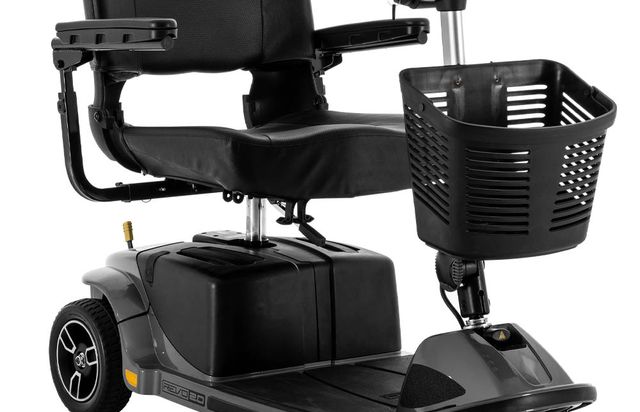
- Pride Revo 2.0 3-Wheel — a nimble, compact 3-wheeler with tight turning
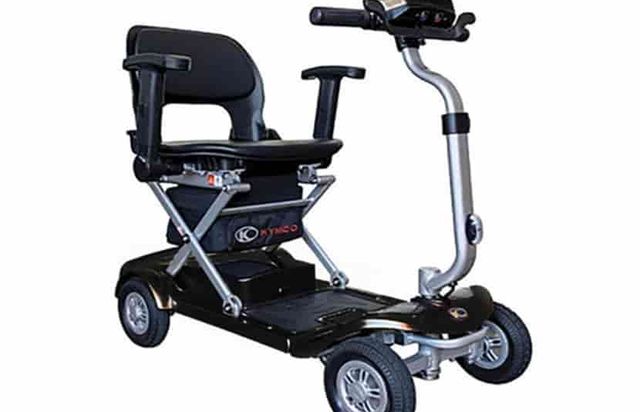
- Kymco K-Lite F — a lightweight folding 3-wheel scooter
4-Wheel Models
- Pride Go-Go Elite Traveller — compact 4-wheeler with EZ Turn technology
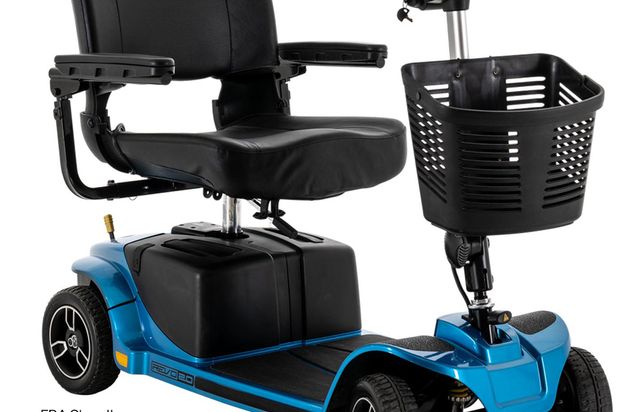
- Pride Revo 2.0 4-Wheel — the stable 4-wheel version of the Revo
- TGA Minimo Plus 4 — a premium folding 4-wheel scooter
- Drive Envoy 4 — a reliable mid-range 4-wheel option
Browse all models or use our side-by-side comparison tool to find the right scooter for you.
Related Models
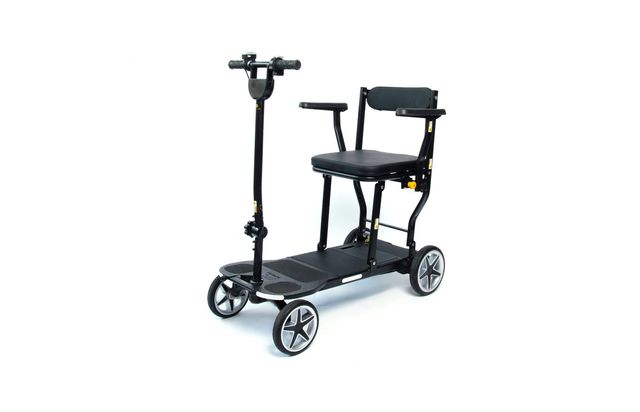
eFOLDi
Compass
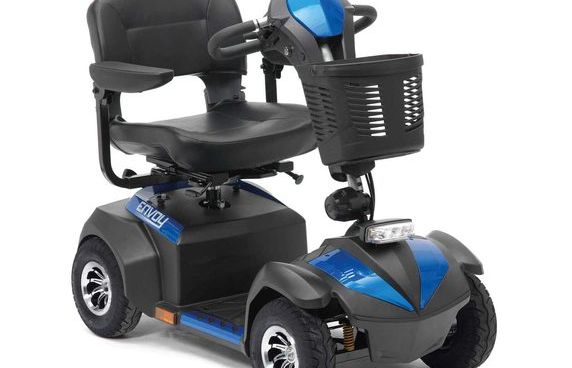
Drive DeVilbiss
Envoy 4
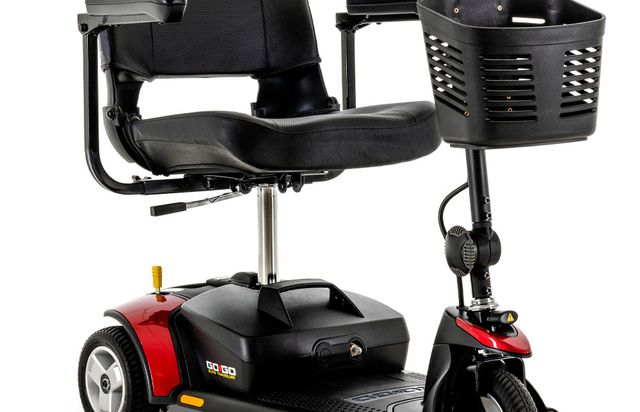
Pride Mobility
Go-Go Elite Traveller
Kymco Healthcare
K-Lite F
eFOLDi
Lite
TGA Mobility
Minimo Plus 4
Pride Mobility
Revo 2.0 3-Wheel
Pride Mobility