
Do You Need a Licence for a Mobility Scooter?
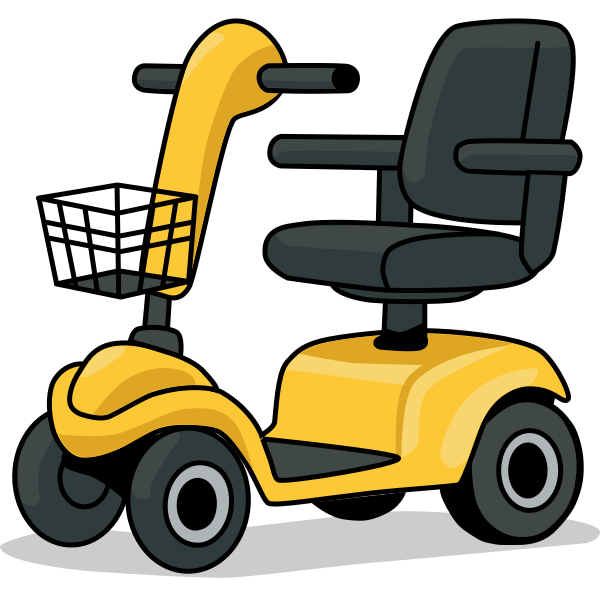

If you’re thinking about buying a mobility scooter—perhaps to make shopping trips, visits, or day-to-day travel a bit easier—you might be wondering: Do I need a driving licence, pay road tax, or take a test?
The good news is simple: you don’t need a driving licence to use a mobility scooter in the UK.
Why No Licence Is Needed
Under UK law, mobility scooters are classed as “Invalid Carriages” rather than motor vehicles. That means you’re exempt from needing a licence, road tax, or MOT, whether your scooter is designed for pavement use or for use on the road.
This special status makes it easier for people to stay independent and mobile, without the red tape of car ownership.
Understanding the Two Scooter Types
Before you buy, it’s worth knowing how mobility scooters are classified. The rules depend on their top speed and where they’re allowed to be used. Class is only one of the decisions a scooter purchase involves, alongside wheels, portability and capacity — our mobility scooter types guide covers all four together.
Class 2 Scooters – For Pavement Use
- Maximum speed: 4 mph
- Designed mainly for pavements and pedestrian areas
- No registration with the DVLA is needed
These are perfect if you’ll mostly be using your scooter for local trips, shopping, or getting around town.
Class 3 Scooters – For Road Use
- Maximum speed: 8 mph (but must be limited to 4 mph on pavements)
- Can be used on public roads
- Must be registered with the DVLA (don’t worry—it’s free)
Class 3 scooters are ideal if you plan to travel longer distances or need to use the road where pavements aren’t available.
Licensing is only half the question. Where you may actually ride — pavements, roads, dual carriageways, cycle lanes and bus lanes — is governed by separate rules that differ by class. Our guide to where you can legally drive a mobility scooter sets out exactly where each class is and is not allowed.
A Few Legal Basics to Know
Even though no licence or test is required, there are still some simple rules to keep in mind:
- Registration: If you buy a Class 3 (road-legal) scooter, it must be registered with the DVLA. The process is free and straightforward — see the registration section below.
- Minimum Age: You must be at least 14 years old to drive a Class 3 scooter.
- Follow the Highway Code: Whether you’re on a pavement or road, you must follow standard traffic rules—keep to speed limits (4 mph on pavements), stop at crossings, and be considerate of pedestrians.
Do You Have to Register a Mobility Scooter with the DVLA?
It depends on the class. Class 3 scooters must be registered with the DVLA. GOV.UK lists Class 3 vehicles, and vehicles that fall outside any class, as the ones that need registering. Class 2 is not on that list. Registration is a separate question from licensing: you never need a driving licence for a Class 2 or Class 3 scooter, but a road-legal one does need to be on the DVLA's record.
What has to be registered
- Class 3 (up to 8 mph, road-legal): must be registered, whether you buy new or second-hand.
- Class 2 (up to 4 mph, pavement): not on GOV.UK's list of vehicles that must be registered.
How registration works
- New scooter: the dealer usually registers it for you. If they do not, register it yourself with form V55/MV. The V5C log book should arrive within 4 weeks.
- Second-hand scooter: it should already be registered. Check with the seller, or use the DVLA vehicle enquiry service. If it is not registered, use form V55/MV. The V5C log book should arrive within 6 weeks. If you are buying a used mobility scooter, make sure the log book comes with it.
- Missing log book: if your V5C does not arrive, apply for one with form V62.
- Cost: there is no registration fee, and you do not need number plates, a driving licence or a disabled exemption certificate.
- Tax: you do not pay vehicle tax on a scooter registered as a mobility scooter or powered wheelchair. DVLA renews it automatically every year.
The DVLA's forms and process change from time to time, so check the current form and steps on GOV.UK and in DVLA's Registering a mobility vehicle leaflet before you apply.
Where this leaves you
Registration is paperwork, not a test, and it does not change where you may ride. For the pavement, road and dual-carriageway rules that apply to each class, see where you can legally drive a mobility scooter. If you are weighing up a road-legal model, our best Class 3 mobility scooters roundup is the place to start.
Insurance: Protecting Your Scooter and Your Peace of Mind
While mobility scooter insurance isn’t a legal requirement, it’s highly recommended—especially if you’re using your scooter regularly or on the road. Insurance can protect you against theft, accidental damage, or injury to others.
To learn more about the benefits and find the right cover for your needs, take a look at our helpful guide:
👉 Find the Best Mobility Scooter Insurance
In Summary
Owning a mobility scooter in the UK is designed to be simple and empowering. There’s no licence, no tax, and no test, just a few easy rules to keep you and others safe.
So, if you’re ready to enjoy greater independence, freedom, and flexibility in your everyday life, a mobility scooter could be the perfect next step.