
The Future of Mobility: Smart Scooters
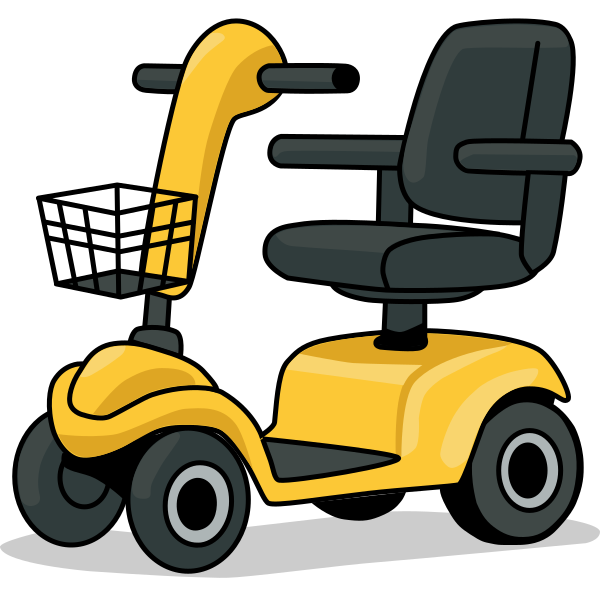

For years, mobility scooters have served as essential tools for individuals seeking greater freedom and confidence in their daily lives. But like smartphones and cars, scooters are experiencing a quiet revolution.
Enter the Smart Mobility Scooter—a new generation of devices packed with cutting-edge technology designed to enhance safety, security, and everyday convenience. If you're considering your first scooter or thinking of upgrading, understanding what makes a scooter "smart" could make all the difference.
What Makes a Scooter “Smart”?
At the heart of a smart scooter is the combination of lightweight design and digital intelligence.
Traditional Scooters:
- Heavier and built for longer range (some travel up to 40 miles on a single charge).
- Designed for stability and rugged outdoor terrain.
- Prioritize mechanical strength over tech enhancements.
Smart Scooters:
- Lightweight, compact, and often foldable or easily disassembled for transport.
- Some models weigh as little as 35 to 37 pounds (excluding the battery), making them ideal for travel, public transport, or navigating tight indoor spaces.
- Packed with modern tech features, including GPS, Bluetooth connectivity, safety sensors, and real-time diagnostics.
In short, smart scooters merge the physical convenience of portability with digital connectivity, helping users manage their mobility more efficiently.
Smarter Safety: Collision Avoidance Technology
One of the most impressive innovations in smart scooters is Collision Avoidance (CA)—a technology borrowed from modern vehicles.
How It Works:
Smart scooters are equipped with front-facing sensors that monitor your surroundings. If you're approaching an object too quickly, the system automatically slows down or stops the scooter before a collision occurs.
Why It Matters:
- Prevents Accidents: Whether you're navigating a crowded pavement or a tight shop aisle, the system reacts in real-time to prevent bumps and crashes.
- Builds Confidence for New Users: For those new to mobility scooters, learning how to steer and judge turning space can be challenging. Collision Avoidance acts like a safety net, giving users time to adjust to their new device without fear of accidents.
- Essential in Busy Areas: UK pavements, supermarket aisles, and transport hubs can be tricky to navigate. This safety feature offers peace of mind in high-traffic zones.
Collision Avoidance is not just about physical safety—it plays a major role in boosting user confidence, particularly for those with reduced reaction times or motor control.
Everyday Convenience: Smart Features That Make Life Easier
Technology in smart scooters isn’t just about safety—it’s about making daily tasks simpler and less frustrating.
Magnetic Charging: No More Struggles
Plugging in a small charging cable can be surprisingly difficult, especially for users with limited dexterity. That’s where magnetic charging comes in.
- How it Works: The charger snaps into place magnetically, regardless of orientation.
- Visual Feedback: Most systems light up to confirm a proper connection.
- No More Fiddling: This simple upgrade eliminates one of the most common frustrations with older scooters.
Brands with a significant UK presence now feature this tech in mid- and high-end models, sometimes marketed as Charge360.
Smartphone Connectivity: Your Scooter in Your Pocket
Smart scooters can connect to your smartphone or tablet through dedicated apps, unlocking a host of benefits:
- Battery Monitoring: Get accurate, real-time battery life updates.
- Trip History: Track your past journeys, distances, and usage patterns.
- Diagnostics & Troubleshooting: Receive alerts and insights when something isn’t working properly. In many cases, the app can guide you to the nearest approved service centre.
- GPS Tracking & Anti-Theft: Many models offer GPS location tracking. Some even support remote locking, alarm systems, or NFC (Near Field Communication)-based digital keys for added security.
These features add a layer of digital peace of mind, especially when leaving your scooter unattended or travelling longer distances.
The Cost of Going Smart: Is It Worth It?
Let’s address the elephant in the room: smart scooters cost more. But is the investment justified?
Understanding the Price Range
- Basic to Mid-Range Scooters: Typically cost between £400 and £1,200.
- Smart and Premium Models: Start around £1,200, with high-end versions reaching up to £3,999.
What You’re Paying For
- Reliability: Premium scooters are built with better materials and components, designed for daily use and long-term durability.
- Fewer Repairs: Features like real-time diagnostics and predictive maintenance help identify minor issues before they turn into expensive breakdowns.
- Safety Upgrades: Advanced safety systems like Collision Avoidance can add £300–£500 to the cost, but many users view this as a small price for the added protection.
- Digital Benefits: The convenience of smart charging, app integration, GPS tracking, and more enhances both independence and user experience.
Long-Term Value
If you rely on your scooter for everyday mobility—running errands, commuting, or simply staying socially active—a smart scooter represents more than just a product. It’s an investment in:
- Freedom
- Confidence
- Fewer disruptions
- Peace of mind
A Revolution Rooted in Independence
The rise of smart scooters marks a turning point in personal mobility. These aren't just upgraded vehicles—they’re intelligent companions designed to empower their users.
From life-saving safety features to convenience-focused tools like magnetic charging and smartphone apps, smart scooters offer a glimpse into the future of independent living.
While the upfront cost may be higher, the benefits in safety, usability, and freedom make them a smart choice for many users—especially those who see their scooter not just as a tool, but as a lifeline to the world.
If you're looking for a mobility solution that’s easier to use, more connected, and safer to operate, a smart scooter could be exactly what you’ve been waiting for.