
Explore the Outdoors with a Tramper

For many people with limited mobility, exploring the great outdoors can feel out of reach. Uneven trails, muddy paths, and steep slopes can make even short countryside walks difficult. That’s where trampers come in — robust, all-terrain mobility vehicles that make it possible to enjoy nature trails, national parks, and scenic paths that were once inaccessible.
Across the UK, trampers are now available to hire at outdoor venues, helping thousands of people rediscover the joy of open landscapes, fresh air, and independence.
This guide explores what trampers are, where you can use them, and how to hire one for your next outdoor adventure.
What Is a Tramper?
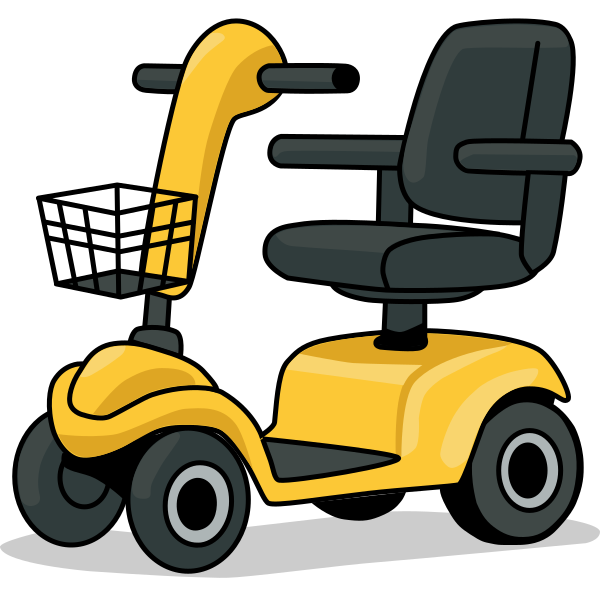
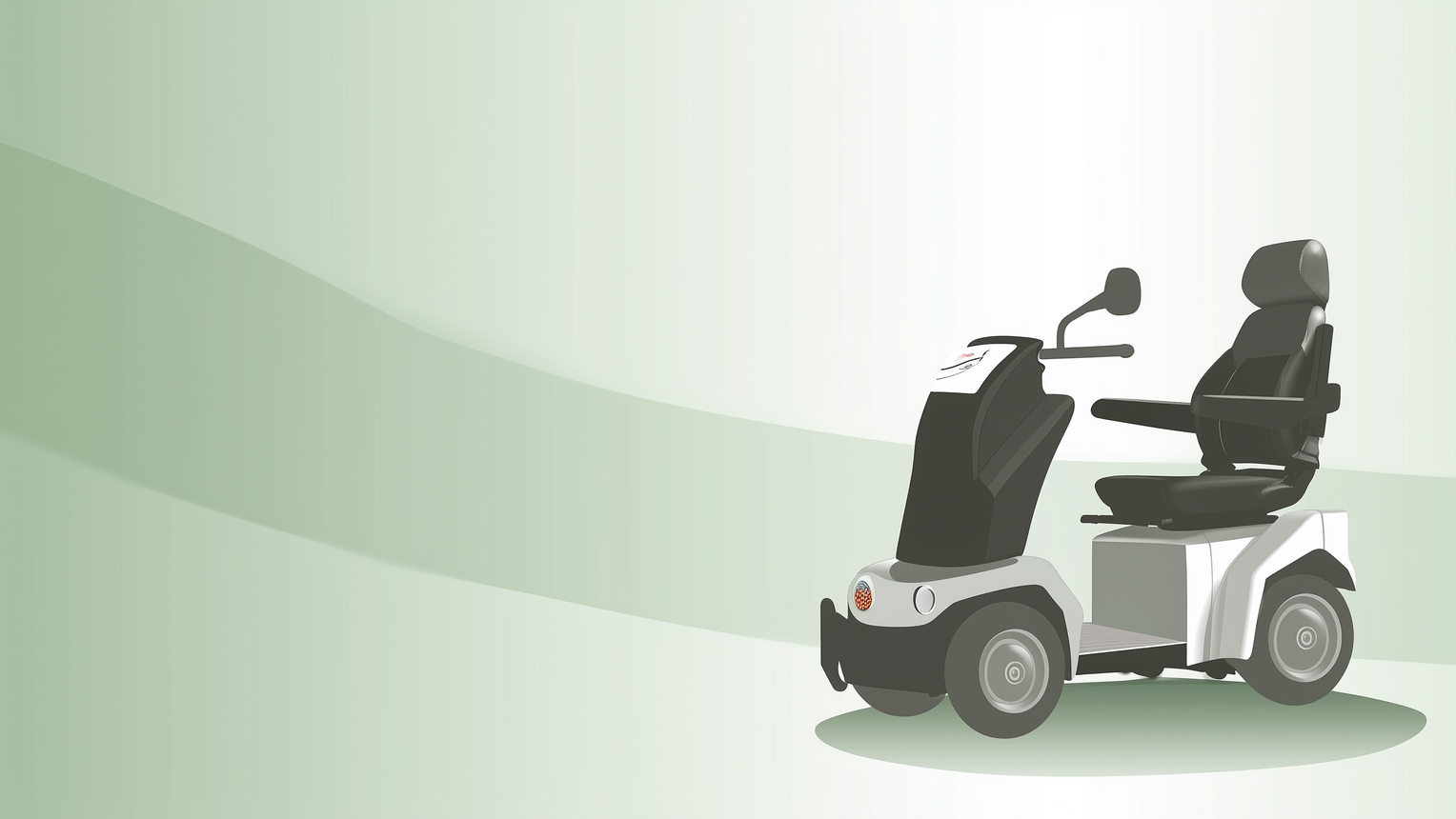
A tramper is a type of powered, all-terrain mobility scooter specifically designed for outdoor exploration. Unlike standard mobility scooters, trampers are built to handle rough paths, grass, gravel, and woodland trails — even in the unpredictable British weather.
You’ll often see trampers at national parks, nature reserves, and heritage sites. They look a little larger than a traditional mobility scooter, with chunky tyres, high ground clearance, and comfortable, supportive seating.
The name “Tramper” actually comes from a well-known model originally developed in the UK, but over time it’s become a general term for this category of rugged outdoor scooters.
Designed for Adventure
Trampers are built for real outdoor use. Here are some of the features that make them ideal for exploring off the beaten path:
- Deep-tread tyres that grip on grass, mud, or gravel
- Independent suspension for a smooth ride on uneven terrain
- High ground clearance to get over rocks, roots, and dips
- Weatherproof controls and batteries for all-season reliability
- Wide wheelbase for stability on sloping or uneven ground
Many trampers are also fitted with comfortable high-back seats, armrests, and LED lighting, making them suitable for full-day adventures.
Because they’re purpose-built for accessibility, trampers are simple to use — even for first-time riders. Before setting off, most hire locations provide a quick safety and handling induction to help you feel confident on the controls.
Who Can Use a Tramper?
Trampers are designed for anyone who finds walking longer distances difficult. They’re often used by:
- Older adults who want to stay active outdoors
- People with mobility conditions or disabilities
- Those recovering from surgery or injury
- Anyone who simply prefers extra support while exploring nature
You don’t need a driving licence or previous scooter experience to use a tramper — just a short familiarisation session. Most venues ask riders to be at least 14 years old and able to operate the controls independently.
Trampers are all about inclusion: making sure that every visitor can experience the countryside at their own pace.
Where You Can Use a Tramper in the UK
Trampers are increasingly common at outdoor attractions across the UK, from rugged moorlands to peaceful coastal trails. You’ll find them at:
- National Parks, such as Dartmoor, Exmoor, the Lake District, and the Yorkshire Dales
- Nature reserves and country parks, including Haldon Forest Park, RSPB sites, and Forestry England locations
- Heritage sites and gardens, where accessible paths are integrated with scenic routes
Many of these sites offer dedicated tramper-friendly trails — often part of the “Miles Without Stiles” initiative, which focuses on creating routes suitable for wheelchairs, buggies, and mobility vehicles.
In these locations, tramper hire isn’t just about accessibility — it’s about participation. Riders can follow clearly signposted trails, enjoy panoramic viewpoints, and join friends and family on walks that might otherwise have been out of reach.
Hiring a Tramper: How It Works
One of the best things about trampers is how easy they are to hire. You don’t need to buy or own one to enjoy the benefits — you can simply book a session at participating sites across the country.
Step 1: Join a Hire Scheme
Many sites operate through networks such as the Countryside Mobility Scheme (covering the South West of England) or Tramper Hire UK. Membership usually involves a one-time registration, after which you can use trampers at dozens of participating venues.
Step 2: Book Ahead
Booking in advance is usually recommended, especially during weekends or holidays. Some sites allow online reservations, while others prefer phone or email booking.
Many locations offer free or low-cost hire, typically between £5–£15 for a half-day. Prices are kept affordable thanks to partnerships with charities and local authorities.
Step 3: Quick Induction
When you arrive, a trained staff member will show you how the tramper works — including starting, braking, reversing, and navigating slopes safely. Once you’ve completed a short demonstration, you’re free to explore designated routes at your own pace.
Step 4: Enjoy the Ride
Most trampers can travel up to 25–30 miles on a single charge, with comfortable top speeds around 4–8 mph. Routes are designed to match their range and ability, so you can spend the day enjoying scenic trails without worrying about running out of power.
Examples of Tramper Hire Locations
Here are a few popular venues across the UK where trampers are available:
- Cardinham Woods, Cornwall – Woodland trails with river views and picnic spots.
- Haldon Forest Park, Devon – Several graded routes through pine forest with spectacular viewpoints.
- Castle Drogo, Devon – National Trust property with tramper access to Teign Gorge.
- Moors Valley Country Park, Dorset – Lakeside and forest trails with on-site café and hire centre.
- Whinlatter Forest, Cumbria – The UK’s only true mountain forest with accessible climbing trails.
- National Trust Stackpole, Pembrokeshire – Coastal walks and wildlife-rich wetlands.
This list is growing every year as more sites join accessibility networks. Always check the Countryside Mobility website for the latest locations and availability.
Why Trampers Matter
Trampers are more than just mobility vehicles, they’re part of a wider shift towards inclusive access to the countryside. They make it possible for people of all abilities to enjoy wild and rural spaces safely and comfortably.
The benefits go beyond convenience:
- Improved wellbeing and mental health from time spent outdoors
- Social inclusion, as family and friends can explore together
- Confidence and independence, knowing you can access trails others enjoy
In many ways, trampers represent a quiet revolution in outdoor access — bridging the gap between mobility support and true adventure.
Tips for Your First Tramper Experience
- Dress for the outdoors: Layers, waterproofs, and gloves make a big difference.
- Bring your phone and a drink: Some routes can take an hour or more.
- Ask staff about the terrain: They’ll recommend routes suited to your comfort level.
- Take breaks: Many trails have rest points, benches, or picnic areas.
- Don’t rush — enjoy the journey.
Trampers are built to give you the freedom to travel further and stay out longer, so take your time and soak in the surroundings.
Your Next Outdoor Adventure Awaits
The UK’s landscapes, from rolling hills to forest glades, are for everyone to enjoy. Thanks to tramper hire schemes at outdoor venues across the country, exploring those landscapes has never been easier.
Whether it’s a quiet trail through the woods or a windswept coastal path, a tramper opens up a world of adventure that might otherwise have been out of reach.
So next time you’re planning a day outdoors, check if a tramper is available nearby. You might just find that the freedom of the countryside is only a short ride away.