
Buying a Used Mobility Scooter: The Complete UK Guide
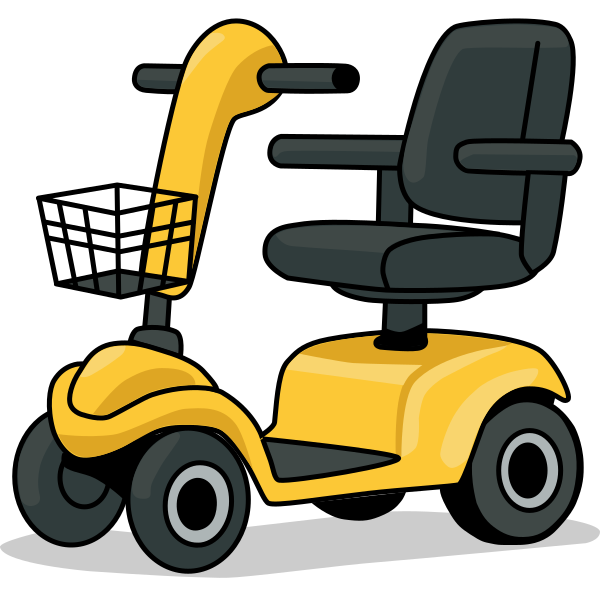

A new mobility scooter can cost anywhere from £600 to over £5,000. If that feels out of reach, buying second-hand is a genuine option that thousands of people in the UK choose every year. A well-maintained used scooter can give you the same independence at a fraction of the price.
But there are real risks. Worn batteries, hidden damage, and misleading listings can turn a bargain into an expensive headache. This guide covers everything you need to know to buy a used mobility scooter with confidence: what to check, where to look, what to pay, and when to walk away.
How Much Should You Pay for a Used Mobility Scooter?
Second-hand prices depend on the type of scooter, its age, battery condition, and whether you are buying from a dealer or a private seller. Here is a rough guide to what you should expect to pay in 2026:
| Scooter Type | New Price Range | Typical Used Price | Notes |
|---|---|---|---|
| Folding / Travel | £600 - £2,000 | £250 - £1,000 | Check battery type; lithium models hold value better |
| Pavement (Class 2) | £1,000 - £3,000 | £300 - £1,200 | Most common on the used market |
| Road-Legal (Class 3) | £2,500 - £6,000+ | £800 - £3,000 | Must still be DVLA registered |
| Heavy-Duty (High Capacity) | £3,000 - £6,000+ | £1,000 - £3,500 | Check frame and suspension wear carefully |
As a rule of thumb, a scooter that is two to three years old with a healthy battery should sell for roughly 40% to 60% of its original retail price. Anything significantly cheaper than that deserves extra scrutiny.
👉 For new prices, see our average mobility scooter prices, and for running costs, our running cost calculator.
Where to Buy a Used Mobility Scooter
Not all sources carry the same level of risk. Here is how the main options compare:
1. Specialist Mobility Dealers
Many mobility shops sell part-exchange and refurbished scooters alongside new stock. This is generally the safest way to buy used because:
- Scooters are inspected, serviced, and often come with a short warranty (typically 3 to 6 months).
- The dealer can confirm the scooter's class, service history, and battery health.
- You may qualify for VAT relief if the dealer is VAT-registered and you have a qualifying condition.
The trade-off is price. Dealer refurbished models cost more than private sales, but the peace of mind is often worth the difference.
2. Online Marketplaces (eBay, Gumtree, Facebook Marketplace)
These are the most popular places to find used scooters from private sellers. Prices are lower, but there is no warranty and limited comeback if something goes wrong.
Tips for buying online:
- Always view the scooter in person before paying. Never send money based on photos alone.
- Ask the seller to demonstrate the scooter running at full speed and on an incline if possible.
- Ask when the battery was last replaced and how often the scooter was used.
- Be cautious of listings with vague descriptions or stock photos.
3. Charity Shops and Disability Organisations
Some charities accept donated mobility scooters and sell them at low prices. Organisations like the British Red Cross also run short-term mobility aid loan schemes, which can help you test whether a scooter suits your needs before committing to a purchase.
4. Auction Sites and Liquidation Sales
Occasionally, care homes, rental companies, or mobility retailers sell off fleet stock through auction. These can be good value, but you are buying as-seen with no returns, so you need to know exactly what to check.
The Essential Pre-Purchase Checklist
Whether you are buying from a dealer or a private seller, always check the following before handing over any money.
Battery Health
The battery is the single most important thing to check on a used scooter, and the most expensive part to replace.
- Lead-acid batteries last 12 to 18 months with regular use. Replacements cost £80 to £200.
- Lithium-ion batteries last 3 to 5 years but cost £300 to £800 to replace.
Ask the seller:
- When was the battery last replaced?
- How far does the scooter travel on a full charge?
- Has the scooter been left uncharged for long periods? (This kills lead-acid batteries quickly.)
If the seller cannot answer these questions, factor in the cost of a new battery on top of the purchase price.
👉 For a deeper look at battery types and care, read our Mobility Scooter Battery Guide.
Tyres and Wheels
- Pneumatic (air-filled) tyres: Check tread depth and inflate to the correct pressure. Look for cracks in the sidewalls.
- Solid tyres: These last longer but check for flat spots or chunks missing from the rubber.
- Spin each wheel by hand and listen for grinding or roughness in the bearings.
Brakes
Mobility scooters use electromagnetic brakes that engage automatically when you release the throttle. Test this on a gentle slope. The scooter should come to a smooth, controlled stop without rolling.
Frame and Bodywork
- Look underneath for rust, cracks, or bent metalwork, especially around the tiller column and where the seat mounts.
- Check the seat swivel and adjustment mechanisms still work smoothly.
- Operate all lights, indicators, and the horn (especially on Class 3 models where these are legal requirements).
Legal Class
Make sure you know whether the scooter is Class 2 or Class 3. If it is a Class 3 model:
- It must be registered with the DVLA before you can legally use it on the road.
- Check whether the seller can provide the V5C registration document.
- Registration is free, but you will need to transfer it into your name.
👉 For the full rules on registration and road use, see our Licensing Guide.
Service History
A scooter with a documented service history is worth more than one without. Annual servicing typically costs £60 to £150 and covers tyre, brake, motor, and battery checks. If the scooter has never been serviced, it is harder to judge its true condition.
👉 See our Maintenance Checklist for what a full service should include.
When Buying Used Is Not Worth the Risk
In some cases, spending a bit more on a new or refurbished scooter makes better financial sense:
- The battery needs replacing immediately. A £400 used scooter plus a £300 lithium battery replacement is £700. At that point, a new entry-level model with a full warranty may be the smarter choice.
- You need the scooter daily and cannot afford downtime. Used scooters without a warranty leave you exposed if something fails. A new scooter from a reputable brand gives you at least 12 months of cover.
- The seller will not let you test it. If you cannot see the scooter running before you buy, do not buy it.
- It is a Class 3 scooter with no V5C. Without the registration document, transferring ownership is difficult and the scooter may have an unknown history.
Saving Money Beyond Buying Used
If your budget is tight, a used scooter is not the only way to reduce costs. There are several other routes worth exploring:
- VAT relief: If you have a long-term illness or disability, you can save 20% on a new scooter from a VAT-registered dealer. On a £2,000 scooter, that is a £400 saving.
- The Motability Scheme: If you receive the enhanced mobility component of PIP or the higher rate of DLA, you can lease a scooter with insurance, servicing, and breakdown cover all included.
- Charitable grants: Organisations like Turn2us, the Mobility Trust, and local disability charities sometimes fund mobility equipment for people who cannot afford it.
- Council support: Your local authority may loan basic mobility aids or direct you to relevant grants after a needs assessment.
👉 Our Funding Guide covers every major financial support route in detail.
A Quick Checklist Before You Buy
Use this as a final summary before committing to a purchase:
- Battery: Confirmed age, range on full charge, and replacement cost
- Tyres: Good tread, no cracks, wheels spin freely
- Brakes: Tested on a slope, smooth and responsive
- Frame: No rust, cracks, or structural damage
- Electrics: Lights, indicators, horn all working
- Seat: Swivels, adjusts, and locks securely
- Class confirmed: You know whether it is Class 2 or Class 3
- V5C provided (Class 3 only)
- Test drive completed: Runs at full speed, handles inclines
- Price benchmarked: Compared to similar models online
Final Thoughts
Buying a used mobility scooter is a sensible way to get the independence you need without overspending. The key is knowing what to look for and being prepared to walk away from a bad deal. A scooter with a healthy battery, a clean frame, and a clear history can serve you well for years.
If you are unsure which type of scooter suits your needs in the first place, our buying guides can help you narrow down the right fit before you start searching: